Puzzle design secrets: the islands that died so the game could live
Deleted puzzles, abandoned mechanics and the level that broke three designers — an honest look at how The Gardens Between's perfect pacing was carved out of four years of failures.
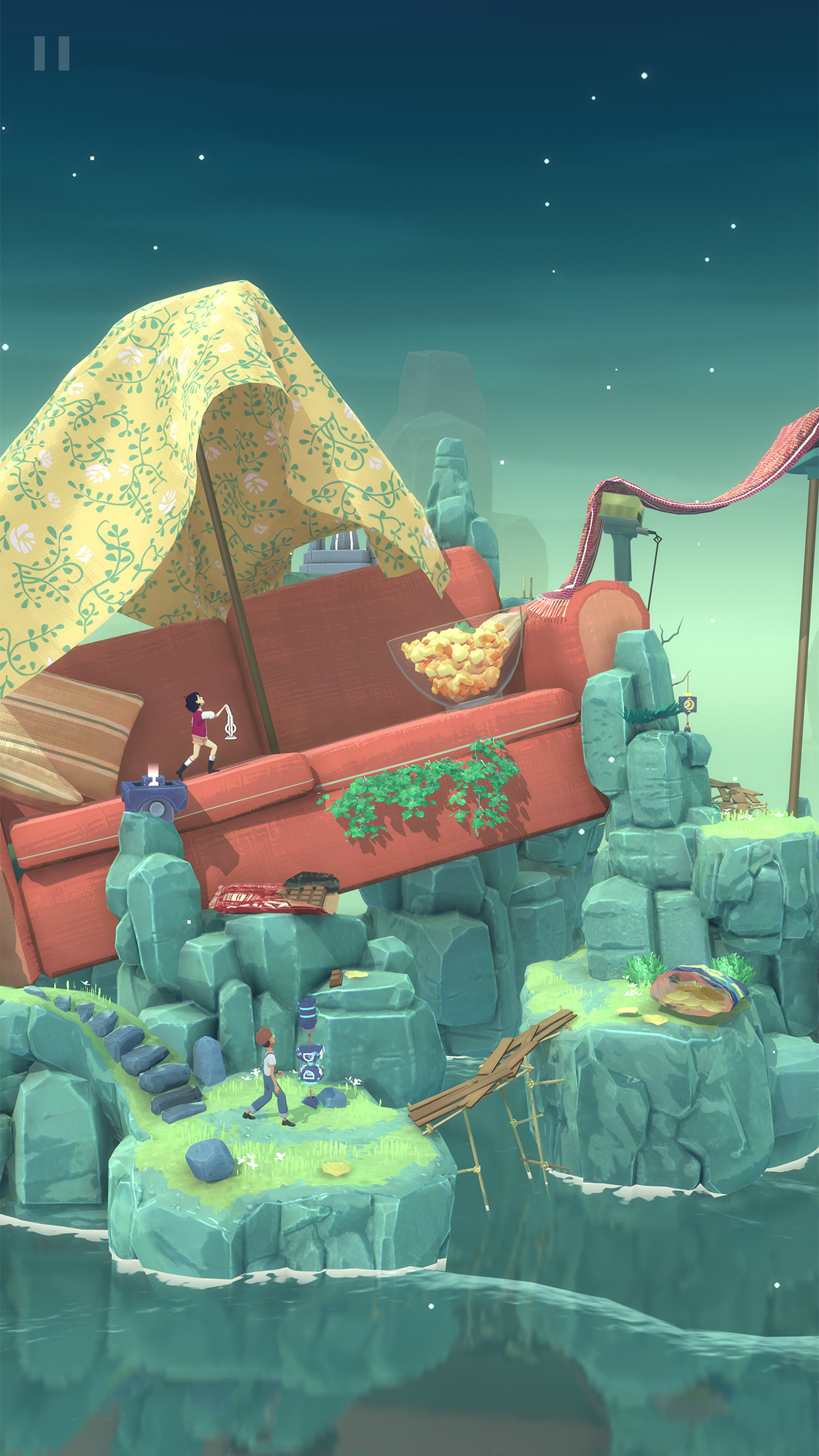
The finished game has twenty islands. Development produced over sixty. The forty that died include some of the cleverest puzzles the team ever built — clever being precisely the problem.
The Gardens Between's design rule was brutal in its simplicity: a puzzle is only allowed to be as hard as the story beat it carries. Anything cleverer than the moment it served went into the notebook marked 'the island graveyard'.
Studio Editorial
Long-form writing from the Gardens Between World team — guides, essays and the occasional confession from development.
In this article
- The puzzle that broke three designers
- The grammar that survived
- Difficulty without a difficulty curve
- What the graveyard taught them
The puzzle that broke three designers
There's a legend in the studio about the Triple Mirror — a puzzle where three timelines ran reflected versions of each other and the solution required reading all three at once. It tested beautifully with designers and catastrophically with everyone else. Players didn't feel stupid; they felt tricked, which is worse.
It survived three redesigns before the team admitted the puzzle wanted to be admired, not solved. Its bones live in the artbook's cut-content chapter — the solution is genuinely beautiful, which is exactly why it had to go.
A puzzle the player can't solve is a door the designer locked from the inside.— Internal design review, 2017
The grammar that survived
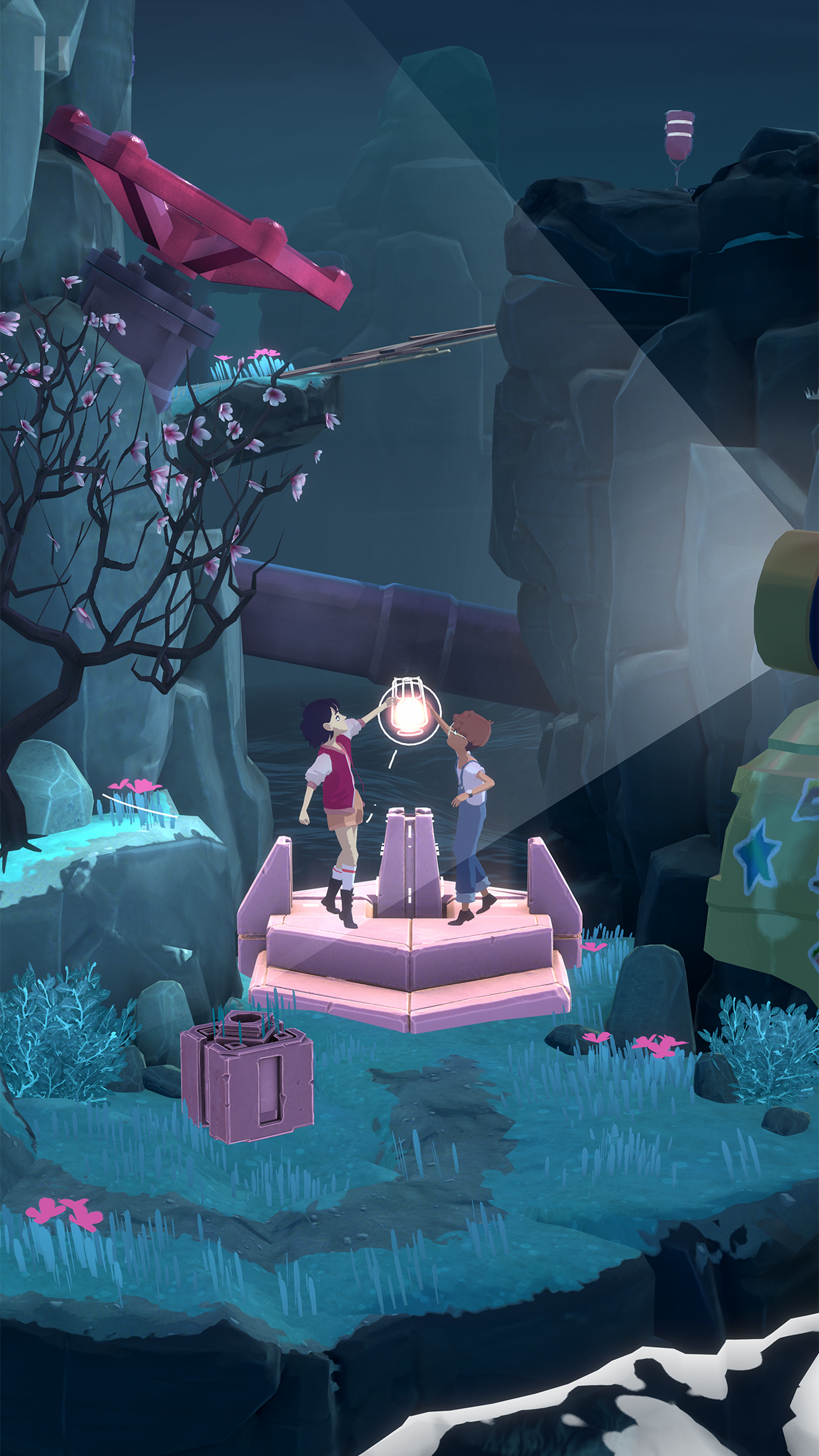
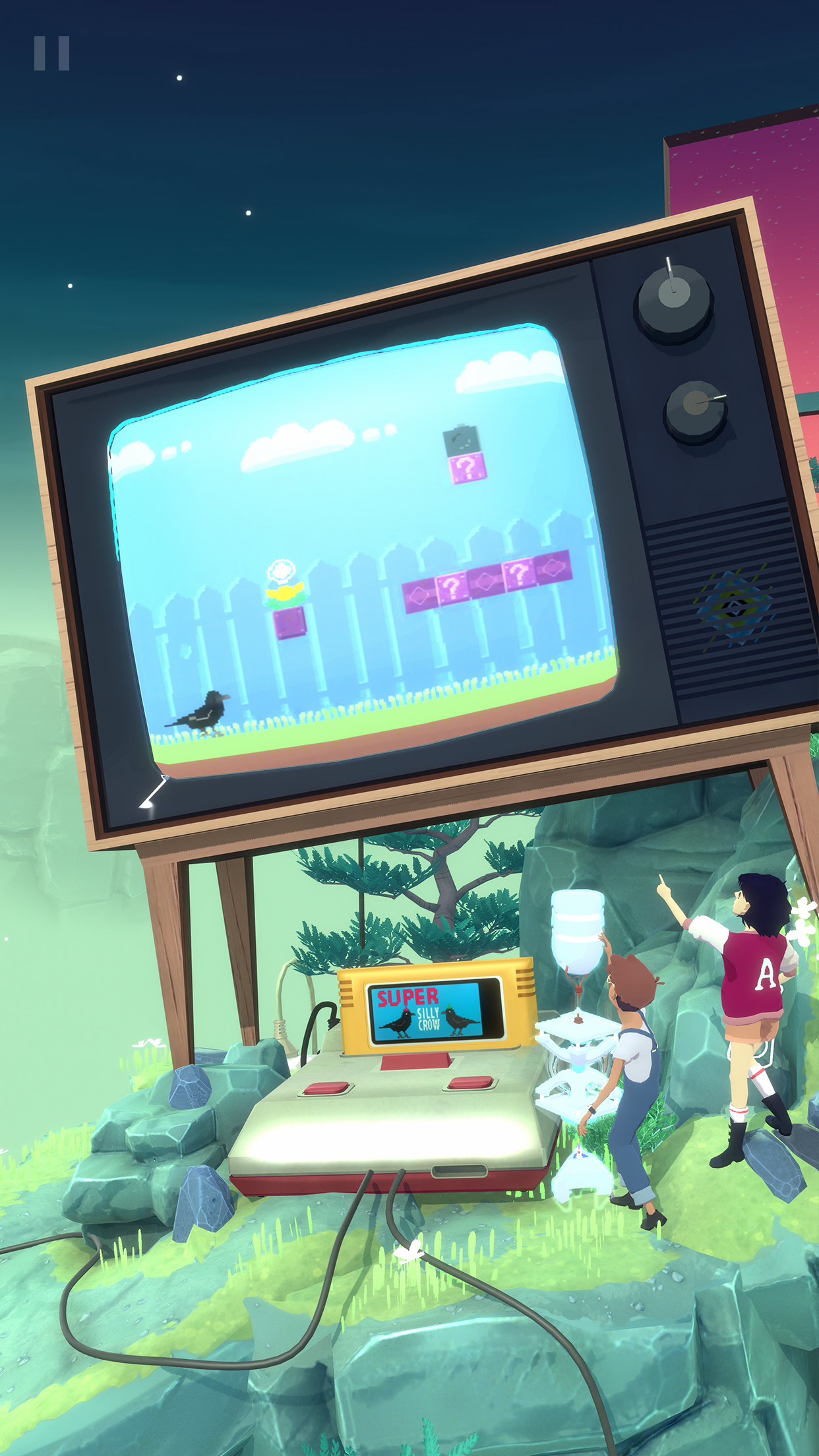
What replaced complexity was layering. Final puzzles rarely do anything new — they ask you to combine three things you already understand, in a way that makes you feel clever for noticing. The domino island is the textbook case: every mechanic on it appears earlier, but their collision produces a solution that feels invented rather than taught.
Difficulty without a difficulty curve
The game can't get harder in the normal sense — there are no faster enemies, no tighter timers. Instead the team tracked 'interpretation load': how many clocks you must read simultaneously. The curve is invisible because it's measured in attention, not reflexes.
Principles the team still uses
- If the fix requires explaining, the puzzle failed — not the player.
- Every mechanic earns its island twice: once teaching, once performing.
- The 'oh' moment is worth more than the 'finally' moment — always.
What the graveyard taught them
The deleted islands became the studio's most valuable design asset. Several mechanics too clever for 2018 quietly matured into the v2.0 update's bonus content — time makes some puzzles easier to love. The artbook documents twelve of the graves with the team's original sketches.
Keep reading: The digital artbook's cut-content chapter · The five hardest islands, voted